
Everything You Need to Know About Heat Pumps
Want to save on energy bills and reduce your carbon footprint? Discover how heat pumps can help and compare different systems (air source, ground source, and hybrid) with our easy guide.
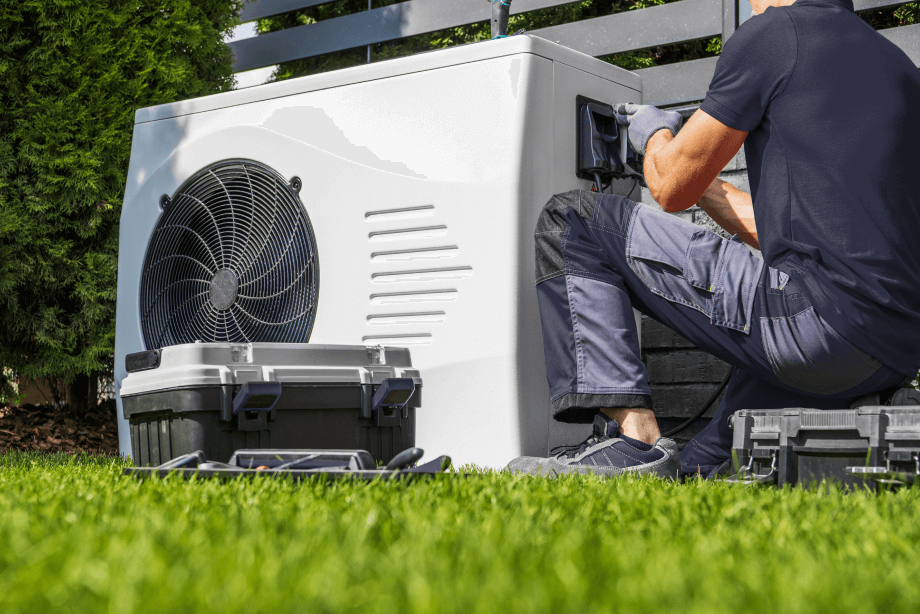
What is a Heat Pump?
A heat pump is an energy-efficient, renewable heating system that extracts heat from the air, ground or water outside your home. It uses this heat to warm your radiators, underfloor heating or air systems.
Unlike traditional boilers that burn fuel, heat pumps use electricity to transfer heat, making them up to 300% more efficient than conventional heating systems-saving you money on energy bills and reducing your carbon footprint.

For every 1kW of electricity used, heat pumps generate 3-4kW of heat

Significantly reduces carbon emissions compared to gas boilers

Aligned with UK's 2035 gas boiler phase-out plans
How Heat Pumps Work
-
1
Extract - Heat is absorbed from the outside air, ground, or water (depending on the type of heat pump)
-
2
Compress - The refrigerant is compressed to increase its temperature, making it suitable for heating your home
-
3
Transfer - The heated refrigerant is transferred to your heating system, whether it's radiators or underfloor heating
-
4
Circulate - Warm water flows through radiators or underfloor heating systems, warming your home efficiently
Different Types of Heat Pumps
Compare air source, ground source, and hybrid heat pumps to find the best match for your home, needs, and budget.
Air Source Heat Pump
Air Source Heat Pumps extract heat from the air outside your home, even in temperatures as low as -15°C. They're the most popular and cost-effective choice for UK homes, offering efficient heating without needing significant outdoor space.
- Lower installation cost
- Easier to install
- Suitable for most homes
- Energy-efficient heating all year round
Ground Source Heat Pump
Ground Source Heat Pumps extract heat from the ground through underground pipes. They offer higher efficiency and are ideal for homes with more space, as they require a garden area for installation.
- Higher efficiency
- Quieter operation
- Lower running costs
- Ideal for larger homes with garden space
Hybrid Heat Pump
Hybrid Heat Pumps combine the efficiency of a heat pump with the reliability of a traditional boiler. Ideal for homes that need consistent heating in all weather, this option provides reliable backup heating while offering optimal energy efficiency.
- Best of both systems
- Ideal for older homes
- Reliable backup heating for all weather
- Increased energy savings and comfort
Why Homeowners Choose Heat Pumps
Benefits of Installing a Heat Pump
Discover why heat pumps are one of the most efficient, eco-friendly, and cost-effective heating solutions for modern homes.
Energy Efficient
Heat pumps use renewable energy from air or ground, delivering up to 4x more heat than the electricity they consume, lowering energy bills significantly.
Lower Heating Costs
By reducing reliance on gas and traditional boilers, heat pumps can cut your annual heating costs while protecting you from rising fuel prices.
Eco-Friendly Heating
Heat pumps produce far fewer carbon emissions, helping reduce your home's environmental impact and support a greener future.
Quiet & Comfortable
Modern heat pumps operate silently and provide consistent, even heat throughout your home without sudden temperature drops.
All-Year Comfort
Heat pumps can provide heating in winter and cooling in summer, making them a versatile, year-round solution.
Long Lifespan & Warranty
Designed to last 20+ years, heat pumps come with strong manufacturer warranties for long-term peace of mind.
Got Questions?
Frequently Asked Questions
Get answers to the most common questions about heat pumps and installation.
Join 50,000+ UK Homeowners
Switch to a Heat Pump and Save Money Today
Find certified installers in your area and compare quotes to see how much
you could save with a heat pump and available government grants.