Heat Your Home Sustainably with Biomass Heating
Compare biomass heating systems, fuel options, installation costs, and government-backed incentives from trusted local installers. Find an efficient, low-carbon heating solution that suits your home, energy needs, and budget.
Benefits of Biomass Heating for Your Home
Key Benefits of Installing a Biomass Heating System
Discover the key benefits of installing a modern biomass heating system and how it can provide reliable, sustainable warmth for your property.

Renewable & Eco-Friendly Heating
Biomass heating systems use renewable fuels such as wood pellets, chips, or logs. This significantly reduces carbon emissions compared to fossil fuels, helping homeowners lower their environmental impact while supporting sustainable energy use.

Lower Heating Costs Over Time
Biomass fuel is often more affordable and price-stable than gas or oil. With efficient system performance and potential access to UK government incentives, biomass heating can offer long-term savings on household energy bills.

Reliable & Efficient Heat Output
Modern biomass boilers provide consistent, high-efficiency heating suitable for whole-home use. They are designed to deliver dependable warmth even in colder months, making them ideal for rural and off-grid properties.

Suitable for a Range of Property Types
Biomass heating systems can be tailored to different home sizes and layouts. Whether you live in a detached house, farmhouse, or commercial property, systems can be customised to meet your specific heating demands.

Increased Property Appeal & Value
Installing a renewable heating system can enhance your home's appeal to environmentally conscious buyers. Biomass heating may improve your property's energy profile and contribute positively to its long-term market value.

Long-Term Sustainable Investment
Compared to traditional heating upgrades, biomass systems offer excellent long-term value. With durable components and renewable fuel sources, they provide a future-proof heating solution aligned with the UK's low-carbon goals.
Biomass Heating Systems
Find the Right Biomass Heating System for Your Property
Explore different types of biomass heating systems designed to provide efficient, renewable warmth.
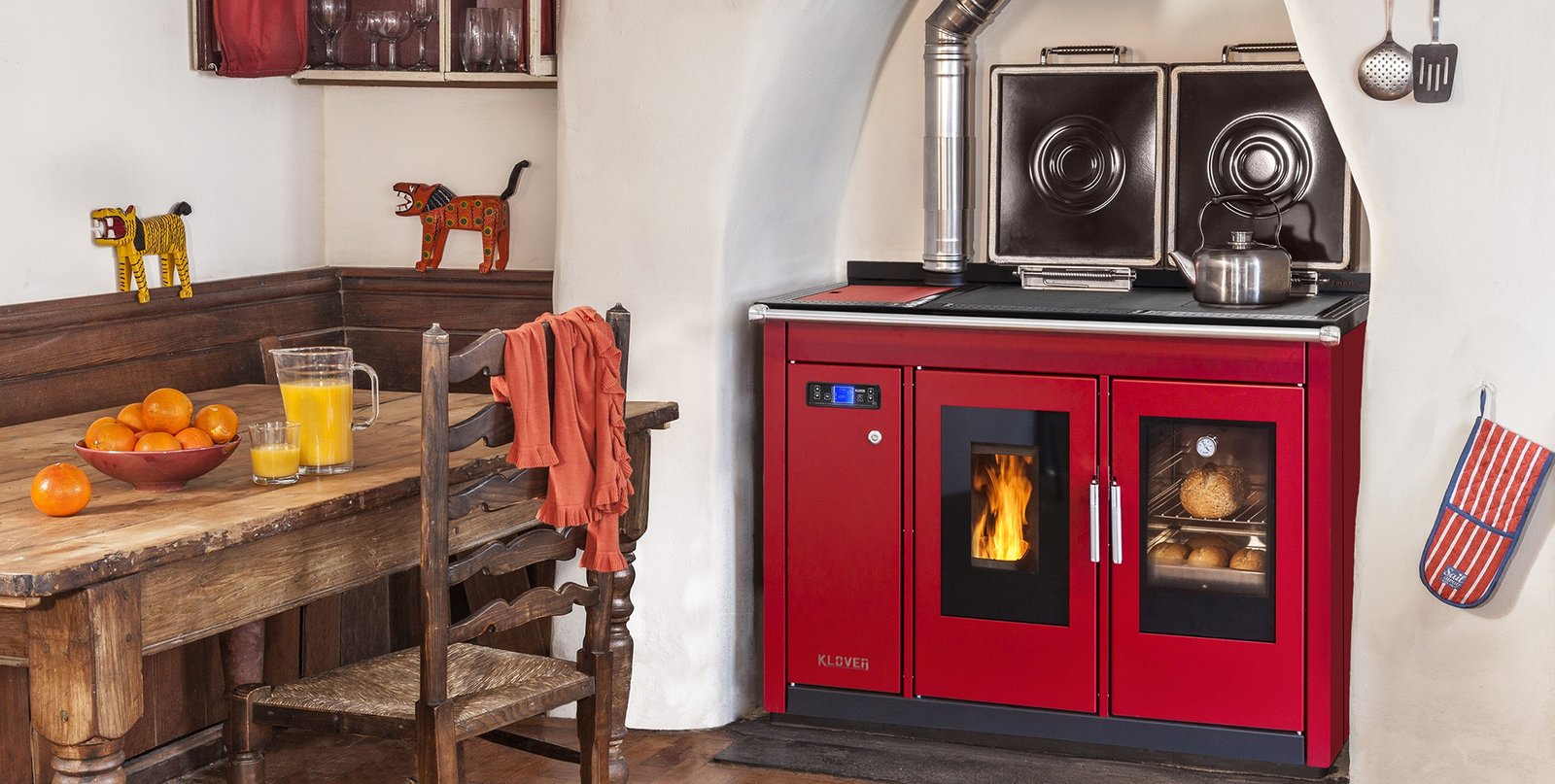
Biomass Boilers
Biomass boilers providing reliable central heating and hot water using renewable fuels such as wood pellets, chips, or logs.
Key Features:
- Suitable for whole-home heating
- Compatible with radiators and underfloor heating
- Uses wood pellets, chips, or logs
- High efficiency and consistent heat output
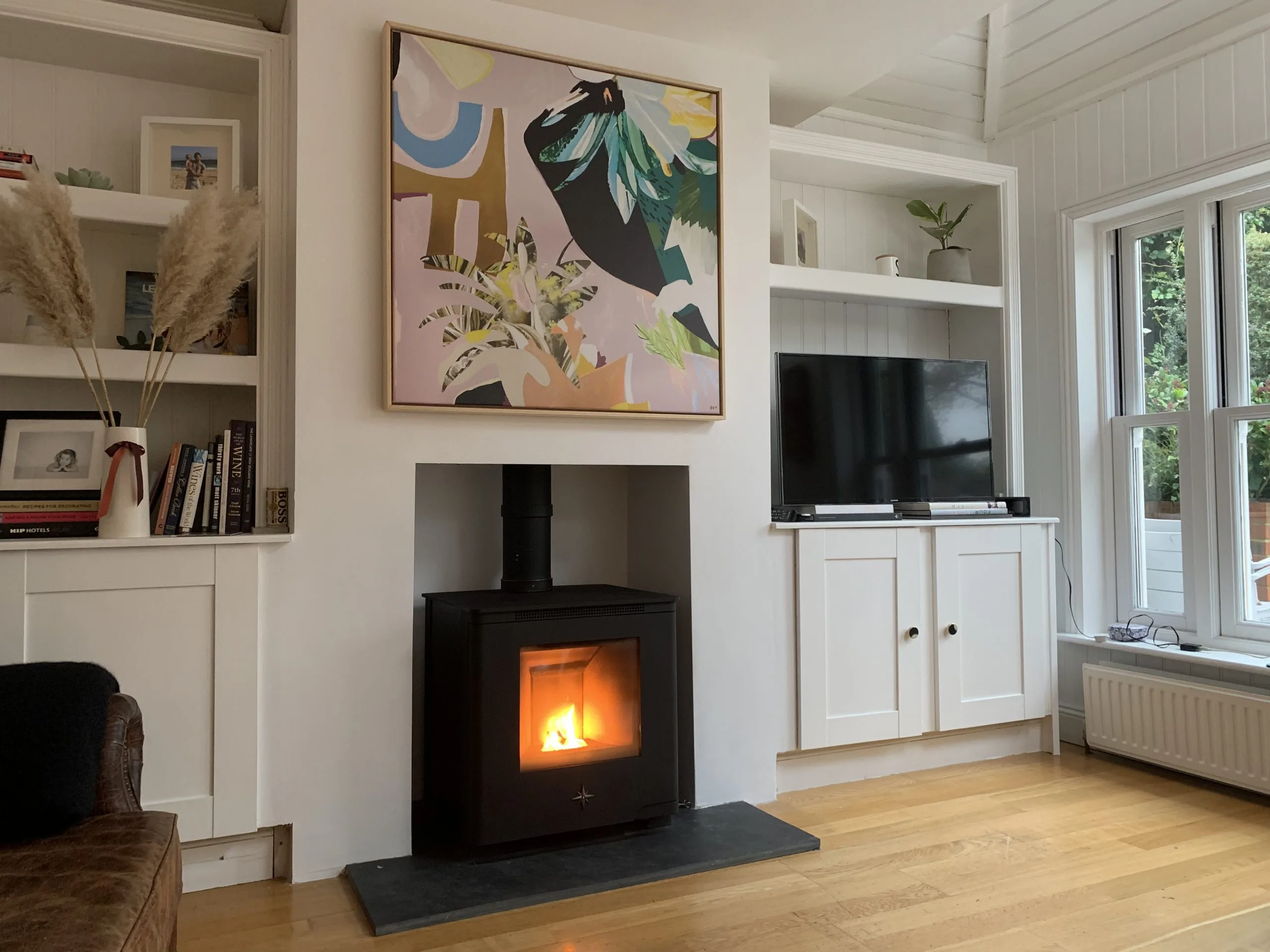
Wood Pellet Heating Systems
Wood Pellets are fed automatically into the boiler, making them low-maintenance.
Key Features:
- Automated fuel feeding
- Clean and efficient combustion
- Compact fuel storage options
- Ideal for modern and rural homes
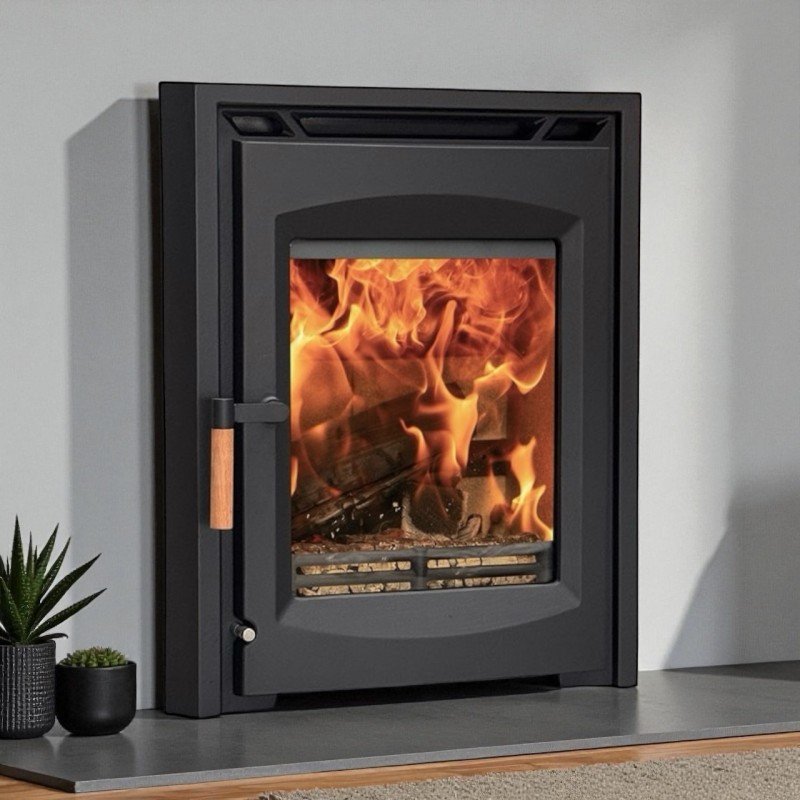
Log & Wood Chip Heating Systems
Log and wood chip systems are ideal for properties with access to local or self-supplied fuel.
Key Features:
- Lower fuel costs if self-supplied
- Suitable for larger or off-grid properties
- Simple and robust system design
- Environmentally friendly fuel source
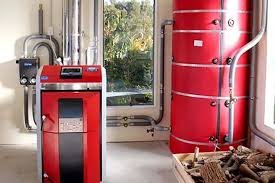
Compact Biomass Systems
Compact biomass heating systems are designed for homes with limited space. These systems deliver efficient renewable heating.
Key Features:
- Space-saving boiler designs
- Suitable for smaller homes
- Efficient pellet-based systems
- Low-emission, renewable fuel use
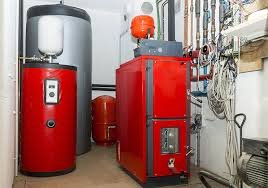
Commercial & Large Property Biomass Systems
Designed for high heat demand, large-scale biomass systems are ideal for commercial buildings, farms, and larger residential properties.
Key Features:
- High-capacity heating output
- Ideal for commercial and rural properties
- Bulk fuel storage options
- Long-term cost and carbon savings
Understanding Costs
What Affects the Cost of Your Biomass Heating System?
Several factors influence the total cost of installing a biomass heating system.

System Type & Heat Output
Biomass System Selection
Different biomass heating systems come with varying costs depending on their size, output, and automation level. Pellet boilers with automatic feeding systems are typically more expensive than log or wood chip boilers, while higher heat output systems designed for larger properties will also increase overall costs.
Fuel Type & Storage Requirements
Pellets, Logs, or Wood Chips
The type of biomass fuel you choose impacts both installation and running costs. Wood pellets require dedicated storage and automated feed systems, while log and wood chip systems may need larger storage areas but can offer lower fuel costs for properties with local fuel access.

Installation Complexity
Property & System Setup
Installation costs vary depending on your property layout, existing heating infrastructure, and flue requirements. Homes without suitable flues, limited access, or those upgrading from oil or electric systems may require additional work, increasing installation costs.

Fuel Storage & Space Availability
Internal or External Storage
Biomass systems require space for fuel storage, whether internal hoppers or external silos. The size, location, and construction of storage solutions can significantly affect overall costs, particularly for larger systems or properties with limited space.
Got Questions?
Frequently Asked Questions
Find answers to common questions about biomass heating systems, installation, costs, and ongoing maintenance.
Join 50,000+ UK Homeowners
Switch to Biomass Heating Today
Get free, no-obligation quotes from trusted local biomass heating installers.
Compare system types, installation costs, and available incentives to find an efficient, renewable heating solution for your home.